Certifications Of Analysis Coa Validate Peptide Purity

- A COA is an integral part of peptide documents, but it ought to not be the only variable used when examining a vendor.A peptide certificate of evaluation is a research laboratory record summarizing logical screening results for a details set of a peptide research compound.That is why customers frequently search for added supporting techniques, such as LC-MS, when evaluating peptide documentation.
What Is The Distinction Between Hplc And Lc-ms?
A Certification of Analysis (COA) is an important document that gives comprehensive info concerning the quality and purity of research peptides. Peptide pureness on a COA normally describes the proportion of the example that looks like the main spotted compound under the detailed logical approach, often HPLC. In practical terms, it aids buyers comprehend how much of the sample is represented by the main optimal compared with other obvious components. Purity data can be valuable, but it should always be read along with the batch number, approach, and general file quality. A proper COA should be clear, batch-specific, and simple to interpret. Most of the times, purchasers anticipate to see the peptide name, a distinct set recommendation, the logical method utilized, and the reported outcome for that batch.
Usage Paperwork Much More Intelligently
Some vendors might also consist of extra details such as storage notes, appearance, molecular weight data, or identity-related testing. A COA is a batch-level file intended to give logical context for a peptide product. It is frequently utilized to reveal what was checked, when it was examined, and how the reported outcomes were created. For buyers, the document serves as a recommendation point when contrasting product transparency across vendors. Mass spectrometry is an analytical method made use of to measure the molecular weight of chemical compounds. In peptides for clinical study, this approach assists confirm whether the measured molecular mass straightens with the anticipated peptide framework.
A percentage on its own can be helpful, however customers should constantly review it in context. The outcome matters most when it is sustained by the method utilized, the batch referral, and the rest of the file structure. A Certification of Evaluation (COA) is a paper from an independent third-party laboratory that confirms the identity, purity, and top quality of a peptide item. Every Midwest Peptide product consists of a COA, since our company believe openness is the foundation of trust. In the context of research study peptides, the COA supplies evidence that logical screening was conducted and that quantifiable attributes of the compound were documented. While the exact layout might range research laboratories, most COAs contain similar core parts.
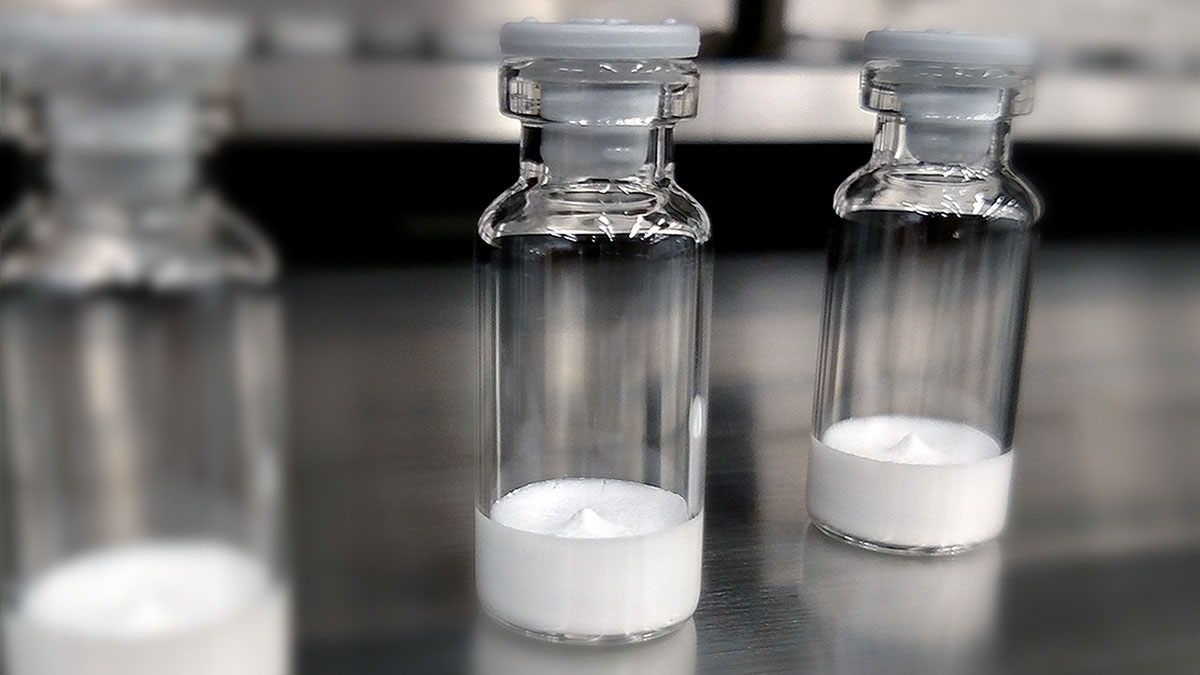
Quality assurance is paramount in the production of research study peptides, as it directly affects the integrity of experimental outcomes. At Nextday Peptides, we use rigorous screening methods to guarantee that every batch of peptides fulfills the greatest criteria of pureness and high quality before they are released to our clients. When dealing with materials such as peptides, scientists rely on the CoA to understand what's been checked and how. It's not a pledge or a warranty about what the item will certainly do. Instead, it's a recap of test results that aids verify the substance's characteristics under defined lab Peptide Distributor conditions.
Genuine labs keep testing records and can confirm credibility when supplied with batch Peptide Vendor numbers and testing dates. Amino acid evaluation (AAA) evaluates the private amino acids existing after total hydrolysis of the peptide. This method validates that the proper amino acids exist in proper proportions, offering additional identity verification beyond mass spectrometry. The item recognition section specifies the peptide name, molecular formula, molecular weight, and Chemical Abstracts Solution (CAS) number when applicable.In the long run, the goal is not simply to find a file, however to make sure the provider gives enough quality for an extra enlightened and positive acquiring choice. See to it the item name, batch number, and paper information align with the precise listing being evaluated. Buyers must validate that the paper clearly represents the precise product being used. A batch-specific COA is even more insightful than a generic example accessory.
Reputable testing produces extensive paperwork; selective noninclusion of standard criteria suggests possible quality problems being hidden. Contrast COA formatting and material across multiple sets from the same distributor. Regular format recommends well established quality control treatments, while significant variants between records may suggest construction. Nonetheless, acknowledge that laboratories do update their reporting layouts periodically. Validating COA credibility requires systematic cross-referencing and, when feasible, independent verification. Begin by confirming the testing lab exists and keeps existing accreditation. The essential function of a COA expands past mere regulatory compliance. It gives verifiable proof that the peptide you obtain suits what was bought, includes the stated purity degree, and is free from unsafe impurities. If the COA includes really minimal approach information, unclear testing references, or unclear lab information, it comes to be harder to assess the logical context behind the outcome.